
Thinking about buying or selling an online business and wondering if Flippa is the right platform for you?
You’re in the right place.
I’ve personally used Flippa to sell three websites and purchase one—and let me tell you, it can be an incredible way to earn extra income or invest in digital assets. Whether you’re flipping sites for profit or looking to build a long-term online business, Flippa opens the door to all kinds of opportunities.
Flippa is one of the most well-known marketplaces for buying and selling websites, online stores, YouTube channels, apps, and more. It connects thousands of buyers and sellers every month, with listings that range from small hobby blogs to established six-figure e-commerce businesses.
But here’s the catch—not every listing is a golden opportunity. Like any marketplace, you’ve got to know what to look for, ask the right questions, and protect yourself from deals that might not live up to the hype.
In this review, I’ll walk you through what Flippa offers, the pros and cons, and how to use the platform smartly and safely.
👉 Click here to check out Flippa and explore current listings.
Flippa Review
Below is my Flippa review. Enjoy!
What Is Flippa?
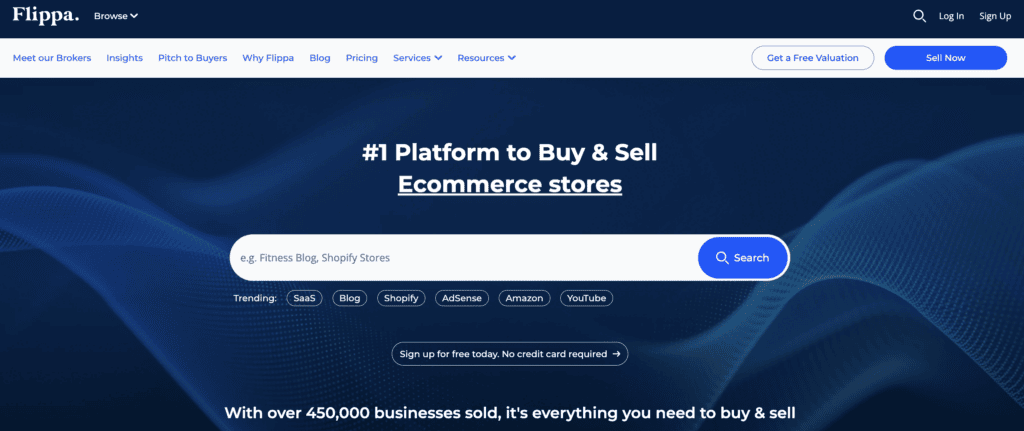
Flippa is a leading online marketplace where you can buy and sell digital businesses—think websites, e-commerce stores, mobile apps, and even YouTube channels. It’s basically like eBay for online businesses, connecting sellers with eager buyers from around the world.
Whether you’re an entrepreneur looking to cash out or an investor hoping to snag your next digital asset, Flippa makes the process simple and accessible.
The platform is user-friendly:
Sellers can list their businesses with detailed descriptions, financials, and traffic stats.
Buyers can browse listings, ask questions, place bids, or make instant offers.
And to keep things safe, Flippa handles the financial transactions and offers optional due diligence services.
From tiny niche blogs to fully automated e-commerce sites, there’s something for every budget and strategy on Flippa.
🛍️ Types of Online Businesses on Flippa
Flippa offers a huge variety of digital assets for sale, making it a go-to marketplace for entrepreneurs, investors, and side hustlers alike. Here’s a quick look at what you can find:
🌐 Websites: From niche content sites and personal blogs (like finance or travel) to high-traffic media platforms.
🛒 E-commerce Stores: Shopify, WooCommerce, and Amazon FBA businesses ready to scale.
📱 Mobile Apps: Buy and sell iOS or Android apps with existing user bases.
🌍 Domain Names: High-value domain names or brandable URLs for future projects.
💻 SaaS Businesses: Subscription-based software products with recurring revenue.
Flippa listings range from beginner-friendly starter sites to million-dollar online businesses, so there’s something for every budget and experience level.
🧠 Buying a Business on Flippa: What You Need to Know
Flippa makes it possible to skip the startup grind and buy a ready-to-run business. But like any marketplace, doing your homework is key.
Why Buy a Website?
Buying an established site can be a smart move—especially if you’re looking to generate passive income or invest in an online asset. Instead of building from scratch, you step into a business that’s already working.
✅ Benefits of Buying an Online Business:
💰 Instant Income: Many listings already generate revenue from day one.
🚦 Existing Traffic: Tap into current site visitors and loyal customers.
🧩 Proven Business Model: Skip the trial-and-error stage of launching a new venture.
🔧 Growth Potential: Tweak the design, add features, or improve monetization to boost profits.
I bought my first website years ago—and I’ve had several friends do the same. For most of us, it’s been a profitable and eye-opening experience. With the right strategy, buying a site on Flippa can turn into a rewarding side hustle or full-time gig.
🚨 Pro Tip: Not every deal is a good one. Always review traffic stats, financials, and seller history before making a purchase. A little research goes a long way.
🛒 How to Buy a Business on Flippa (Step-by-Step)
Buying a business on Flippa is straightforward, but it’s still a big decision—so it pays to go in with a clear plan. Here’s how the process works:
Step 1: Create Your Flippa Account
Head over to Flippa.com and sign up. It’s free and only takes a minute.
Step 2: Browse Listings That Match Your Niche & Budget
Use filters to narrow down your search based on industry, traffic, revenue, price, and more. Whether you’re into travel blogs or dropshipping stores, there’s something for everyone.
Step 3: Carefully Review the Listings
Check out each listing’s details—monthly income, traffic stats, expenses, and screenshots. Look for red flags or anything that seems too good to be true.
Step 4: Ask the Seller Questions
Don’t be shy! Sellers are usually happy to answer questions about the business, operations, or financials. This is your chance to dig deeper.
Step 5: Place a Bid or Make an Offer
Once you’re confident, either bid on the auction or submit a direct offer to the seller. Some listings also offer a “Buy It Now” option.
Step 6: Complete the Payment Safely Through Flippa
Flippa uses Escrow to keep both buyers and sellers protected during the transaction.
Step 7: Transfer Ownership
After the deal is done, the seller will hand over the digital assets—like domain names, hosting access, website files, and anything else included in the sale.
⚠️ Don’t Rush It
Buying a digital business is exciting, but it’s also a big move. Take your time, do your research, and don’t skip due diligence. The more informed you are, the better your chances of making a smart investment.
How Flippa Works for Buyers
Flippa makes it easy for buyers to connect with people selling websites, apps, and online businesses. Think of it as a digital marketplace where you can browse listings, ask questions, place bids, or make direct offers—all in one place.
To help you make informed decisions, Flippa provides several built-in tools and data points, including:
📈 Verified Traffic Data – See where the website’s visitors are coming from.
💵 Revenue Proof – View screenshots or documents verifying earnings.
🕒 Site Age – Know how long the business has been around.
⭐ Seller Ratings – Check reviews from other buyers to assess credibility.
These features are helpful, but they’re just the start—you’ll still need to do your own due diligence before pulling the trigger on any deal.
Due Diligence for Buyers: What to Check Before You Buy
“Due diligence” might sound intimidating, but it just means doing your homework before buying a business. This step is crucial if you want to avoid scams or bad investments.
Here’s what to review:
🌐 Traffic Sources: Request Google Analytics access to verify where the traffic comes from (e.g. organic, social, paid).
💰 Revenue: Ask for income proof—like PayPal, Stripe, or bank statements—to confirm the site is actually making money.
🔍 SEO Performance: Use tools like Semrush or Ahrefs to review the site’s keyword rankings and backlink profile.
✍️ Content Quality: Make sure the content is original, valuable, and not copied from other sources.
🛠️ Technical Health: Look for broken links, slow load times, or outdated plugins that could cause issues post-sale.
🚩 Flippa’s Red Flag Report
Flippa also offers a professional Red Flag Due Diligence Report, which digs deep into potential risks—things like fake traffic, questionable monetization, and ownership concerns. This service comes at a premium (typically $1,500–$2,500) and is a good option for higher-value purchases.
That said, don’t rely solely on Flippa’s report. No matter how good a listing looks, always run your own checks or consult an expert before buying.
💼 The Selling Process on Flippa
Selling your website on Flippa can be a profitable and rewarding way to cash in on the hard work you’ve put into building a digital asset. Whether it’s a blog, an e-commerce store, or a SaaS product—you’ve got options.
Why Sell a Website?
There are plenty of reasons why people choose to sell their online businesses:
🔄 Time for a New Project: Ready to start something fresh? Selling gives you a clean slate.
💸 Need Quick Capital: Turning a website into a lump sum of cash can help fund other ventures or life goals.
🚀 Growth Plateau: Maybe you’ve taken the site as far as you can, and it’s time for someone else to scale it further.
But here’s the best part—websites often sell for 20–36x their monthly net profit.
So if your site earns $1,000/month, you could potentially walk away with $20,000 to $36,000!
Not bad for something that runs from your laptop, right?
💰 How to Sell a Business on Flippa
Selling your online business on Flippa is easier than you might think—and it could lead to a nice payday if done right. Whether you’re flipping a small blog or offloading a six-figure eCommerce store, here’s how the process works:
📝 Step 1: Create a Compelling Listing
Start by creating a detailed listing for your business. You’ll need to include key information like:
📊 Monthly Revenue & Profit
🌐 Traffic Sources & Volume
🧑🤝🧑 Audience Insights
💼 Business Operations
🧾 Reason for Selling
The more transparent and organized you are, the more confident buyers will feel.
💸 Listing & Success Fees
Flippa does charge to list your business, and the fee depends on your asking price. Here’s what to expect:
Listing Fee: Varies based on the business’s value
Success Fee:
10% for sales under $50,000
Lower percentages for higher-tier sales (scaling down as the price goes up)
Flippa handles payment processing and ensures both sides of the transaction are protected.
🛎️ Set Your Pricing Strategy
You can sell your business in one of three ways:
🏷️ Auction Style: Set a starting bid and let buyers compete.
💬 Classified Listing: Invite offers and negotiate privately.
⚡ Buy It Now (BIN) Price: Let someone purchase instantly at a fixed price.
Choose what works best based on how fast you want to sell and your pricing expectations.
🧽 Preparing Your Business for Sale
First impressions matter—especially in the world of digital business sales. Here’s how to prep your business for a successful exit:
📚 Clean Up Your Financials
Organize income and expense reports. Use spreadsheets or accounting software to present clear, verifiable data.
🛠️ Fix Website Issues
Repair broken links, update outdated plugins, and ensure your site loads quickly. A polished, professional website always gets more interest.
🌟 Highlight What Makes It Special
In your listing description, talk about what sets your business apart.
Do you have a loyal email list?
A niche product with high margins?
Strong SEO rankings?
Put a spotlight on those unique selling points.
💳 Flippa’s Fees & How You Get Paid
If you’re planning to sell a website or online business on Flippa, it’s important to understand how their fees work and how you’ll get paid. Let’s break it down so you know exactly what to expect.
📌 Listing Fees
When you create a listing on Flippa, there’s a one-time upfront fee based on what you’re selling:
🌐 Domain Names – Starting at $9
🖥️ Websites & Apps – Starting at $15
🏢 Established Online Businesses – Starting at $49
💡 Want to boost visibility? Flippa offers paid add-ons like “Featured Listings” or top placement in search results to help your listing stand out and sell faster.
💼 Success Fees (When You Make a Sale)
Flippa only gets paid when you get paid. This is called a success fee, and it’s taken from your final sale price. Here’s how it breaks down:
| Sale Amount | Success Fee |
|---|---|
| Up to $249,999 | 10% |
| $250,000 – $499,999 | 9% |
| $500,000 – $999,999 | 8% |
| $1M – $4.99M | 7% |
| $5M – $9.99M | 4% |
| $10M+ | 3% |
🔎 Example: If your site sells for $75,000, Flippa will deduct $7,500 as their fee, and you’ll receive the rest.
💵 How You Get Paid (Secure Escrow Process)
Flippa uses escrow to make sure both buyers and sellers are protected during the transaction. Here’s how the payment process works:
💸 The buyer sends funds to a secure escrow account.
🔁 You transfer the digital asset (website, domain, etc.) to the buyer.
🕵️♂️ The buyer verifies everything is as described.
✅ Escrow releases the funds to you (minus Flippa’s fee).
This process ensures a safe, smooth transaction for both parties—no surprises, no scams.